About LiHRA
Collaborative science to advance livestock helminth research
Who we are
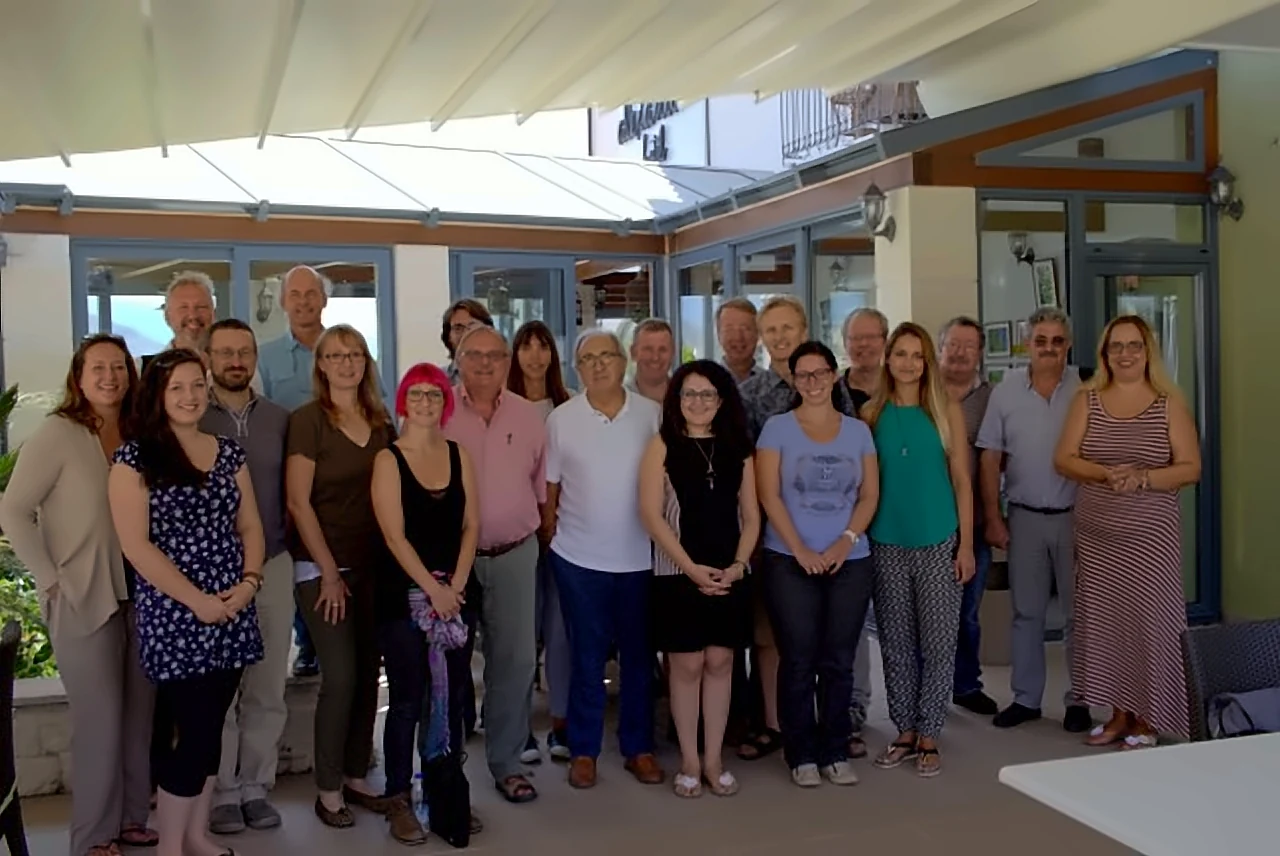
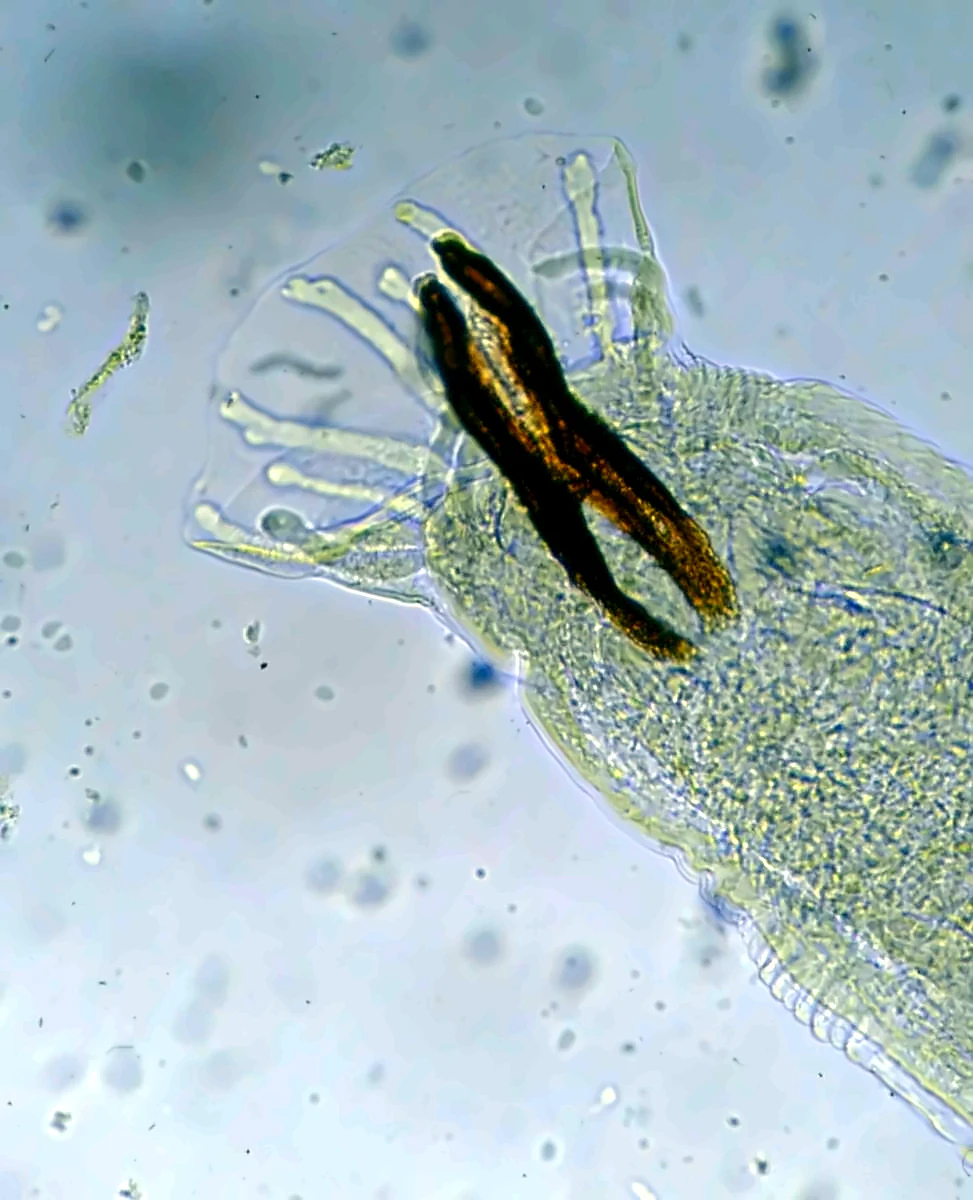
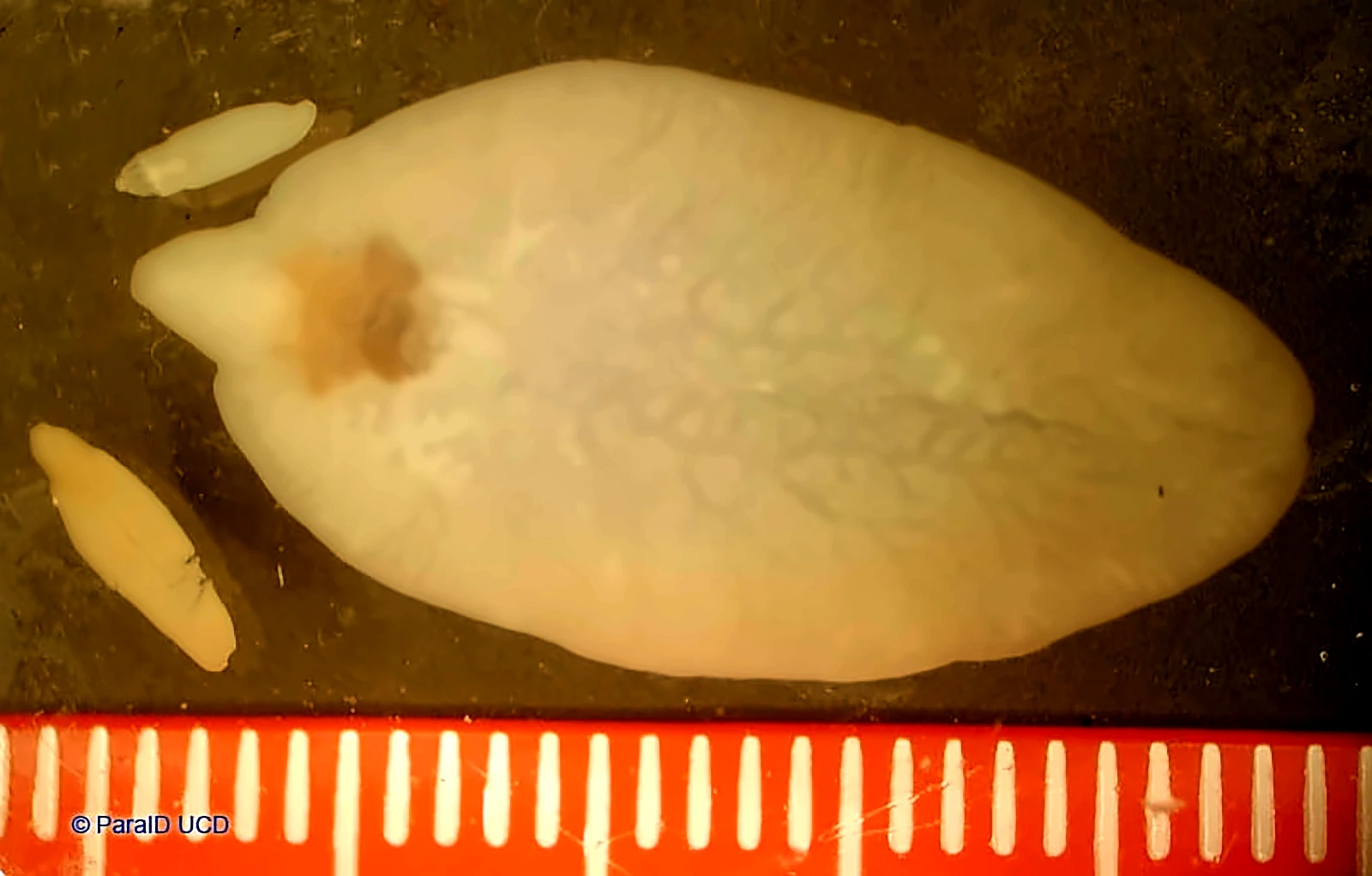
Infections with helminthic parasites are a major threat to animal health, welfare, and production. If uncontrolled, they have worldwide a serious negative impact on the income of farmers, the viability of livestock industries, and the sustainable development of rural areas. The control of these infections is complicated due to climate change and the expansion of anthelmintic resistance (AR).
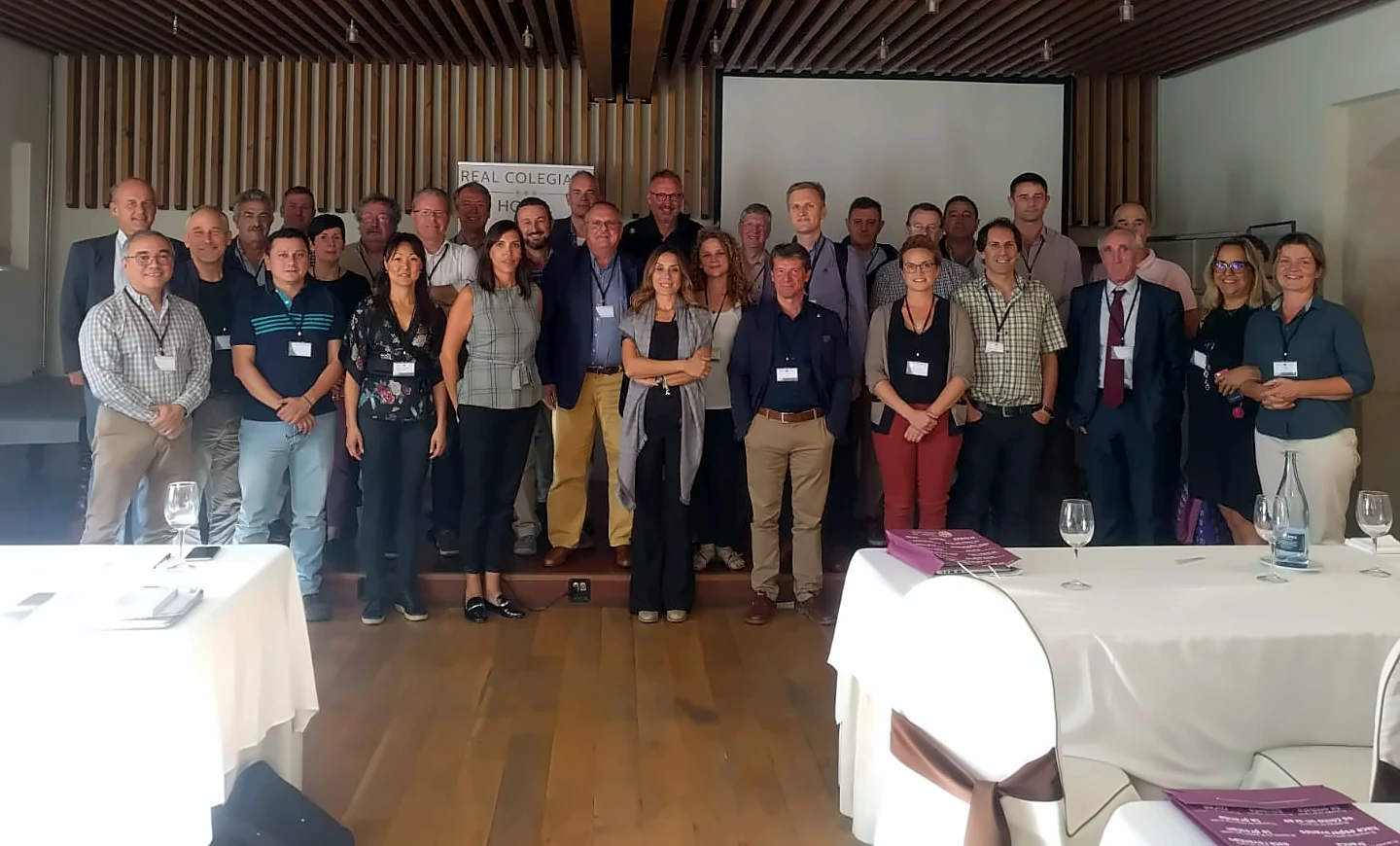
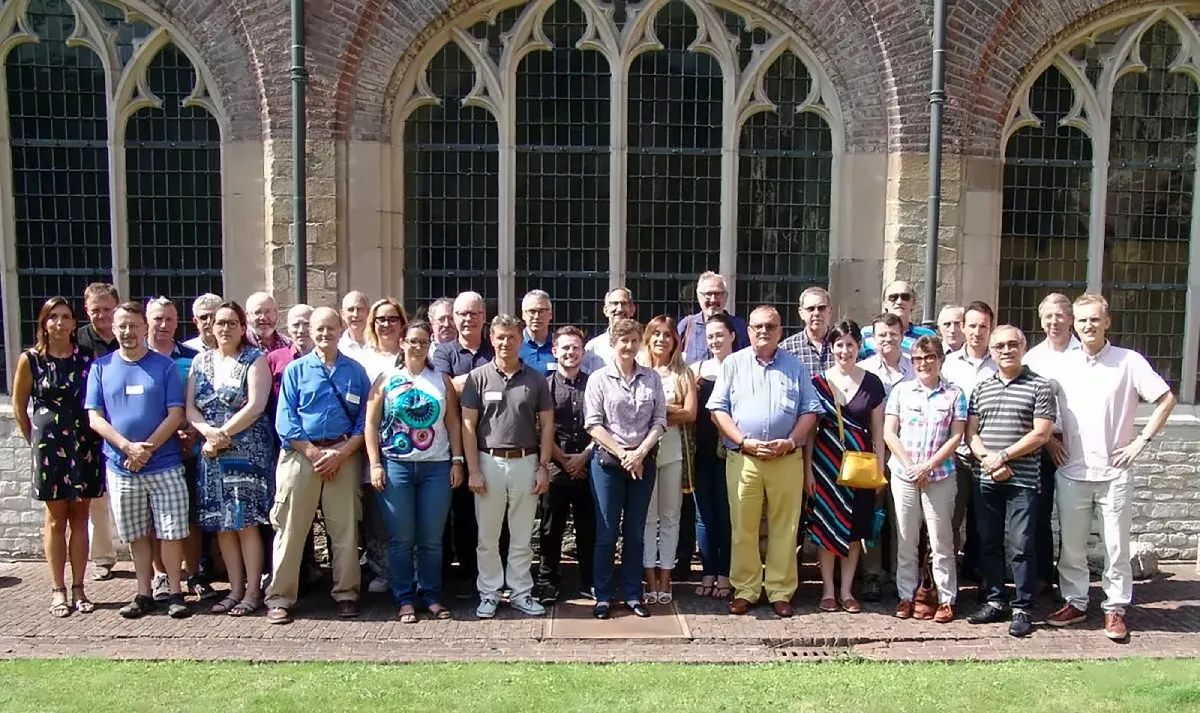
The Livestock Helminth Research Alliance (LiHRA) is a global network of researchers, founded in 2014, that brings together, expands and optimizes skills and expertise in different disciplines within livestock helminth research. LiHRA grew out of EU-funded research projects addressing challenges in the control of gastrointestinal nematodes and liver fluke in ruminants. Today we address issues in all livestock species and welcome researchers with a proven track record from over the world to apply.
LiHRA regularly engages with partner organisations around the globe and coordinates the activities of the STAR-IDAZ IRC Helminth Working Group.
LiHRA members meet annually to review current challenges and develop new initiatives.
Pillars
LiHRA promotes its mission by ten pillars:


Vision
To improve the health, welfare and productivity of European livestock by providing sustainable helminth control options
This will be achieved through the following objectives
01
To generate a globally leading research alliance in the field of livestock helminth infections.
02
To stimulate collaborative research by enabling exchange of ideas and mobility of young researchers and by promoting mutual research projects
03
To initiate/foster research initiatives by promoting helminth research at international and national funding authorities
04
To facilitate knowledge exchange with the livestock industry to respond to their needs and constraints and identify areas for future research
05
To have the ability to respond to global changes that impact on livestock, farming practices and helminth infections
06
To establish a network of standardised diagnostic parasitology labs and to standardize field trial and monitoring approaches throughout Europe
Our fields of work
- Diagnostic test development and validation, automated decision support
- Optimised anthelmintic treatments
- Anthelmintic mechanisms and markers for resistance, anthelmintic resistance monitoring
- Vaccines
- Bioactive forages and nutraceuticals
- Selective breeding for resistance and resilience
- Biological control
- Epidemiology including mathematic modelling of helminth diseases and disease control, risk mapping and modelling, risk factor analysis
- Interactions between helminth infections and other diseases
- The impact of helminth infections on animal health, welfare as well as farm-level or societal level economics
- Socio-psychological drivers of worm control behaviour
- Global changes in helminth infections, farm management and disease control


LiHRA Governance
LiHRA is coordinated through a rotating leadership team elected every few years.
2025 – Currently
Chair
Johannes Charlier
Kreavet, Belgium
Vice Chair
María Martínez Valladares
CSIC, Spain
Secretary
Andrew Richard Williams
University of Copenhagen, Denmark
2022 – 2024
Chair
Smaro Sotiraki
VRI-HAO, Greece
Vice Chair
Johannes Charlier
Kreavet, Belgium
Secretary
María Martínez Valladares
CSIC, Spain
2019 – 2021
Chair
Laura Rinaldi
UNINA, Italy
Vice Chair
Smaro Sotiraki
VRI-HAO, Greece
Secretary
Johannes Charlier
Kreavet, Belgium
2017 – 2018
Chair
Georg von Samson-Himmelstjerna
FUB, Germany
Vice Chair
Laura Rinaldi
UNINA, Italy
Secretary
Smaro Sotiraki
VRI-HAO, Greece
2015 – 2016
Chair
Edwin Claerebout
UGent, Belgium
Vice Chair
Georg von Samson-Himmelstjerna
FUB, Germany
Secretary
Laura Rinaldi
UNINA, Italy
Network members & partner institutions
LiHRA works with different member types:

Full member
Independent researcher who has secured external funding. Full members have certain privileges, rights, and responsibilities within the association including voting rights, the ability to hold leadership positions, and participation in decision-making processes.

Associated member
Individual that has some level of affiliation or connection with the association but does not hold full membership status. Associated members are invited to attend the annual meeting but do not have voting rights.

Honorary member
Individual who is granted membership as a special recognition or honour, in recognition of significant contributions or achievements related to the purposes of the association.
Members need to sign a MoU including confidentiality agreement and full members have responsibility in attending the annual meeting.
How to apply for membership?
1
New memberships are proposed by two full members of LiHRA.
2
New members apply via sending a letter of motivation and full CV to the LiHRA secretary.
3
Membership is approved by majority vote of the LiHRA full members.
Have questions or want to connect with LiHRA?
Get in touch with our team to learn more about the alliance, its activities, research collaborations or membership.